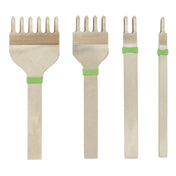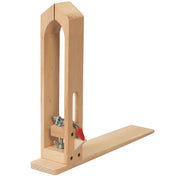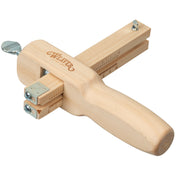
Tools and Materials Used in This Project

Belt Leathercrafting Kit, Veg Tanned Crazy Horse
Regular price $37.75Unit price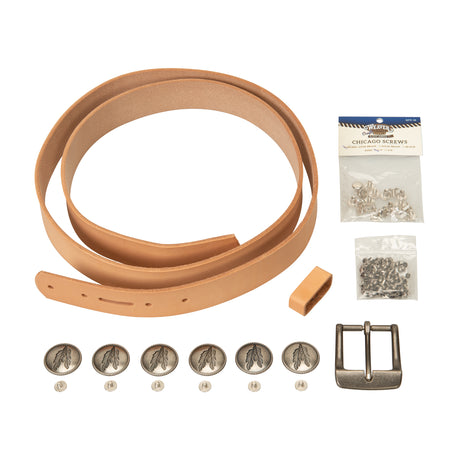
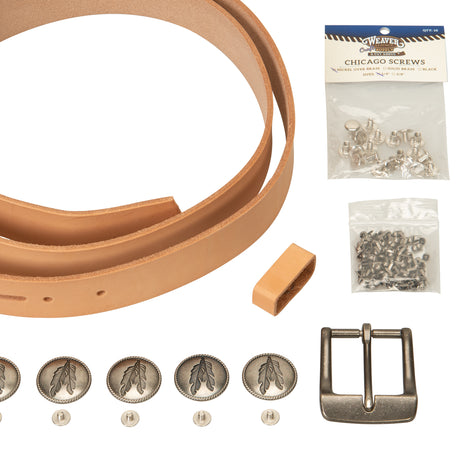
Belt Leathercrafting Kit, Veg Tanned Hermann Oak®
Regular price $53.00Unit price


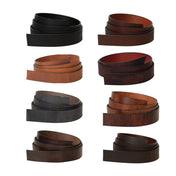
Natural Strap Belt Blank, 8/9 oz.
Regular priceFrom $7.80Unit price


 Up to 37% off


 Up to 50% off


 Up to 37% off


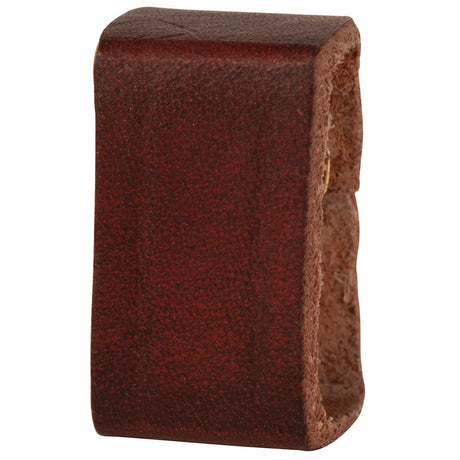
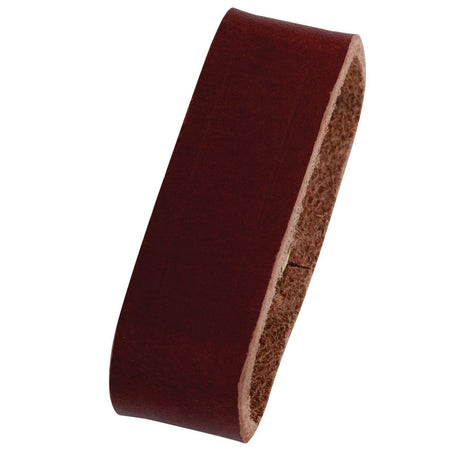
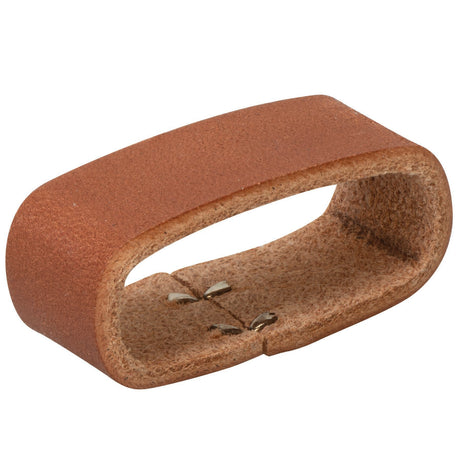
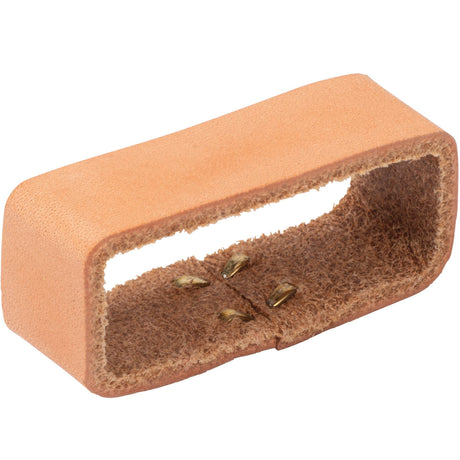


 Regular price $1.70Unit price


Chicago Screw Handy Pack, Nickel Over Brass, Floral
Regular price $4.69 Sold by 6 packUnit price
Chicago Screw Handy Pack Solid Brass, Plain
Regular price $4.99 Sold by 6 packUnit price
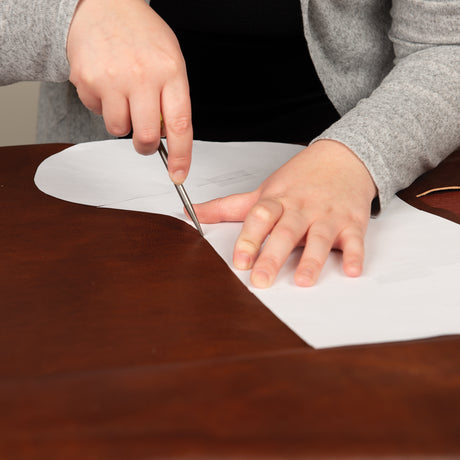


#4 Heavy-Duty Scratch Awl 3-1/2"
Regular price $8.70Unit price


Master Tool English Point Punch
Regular priceFrom $78.10Unit price


 Regular price $77.00Unit price
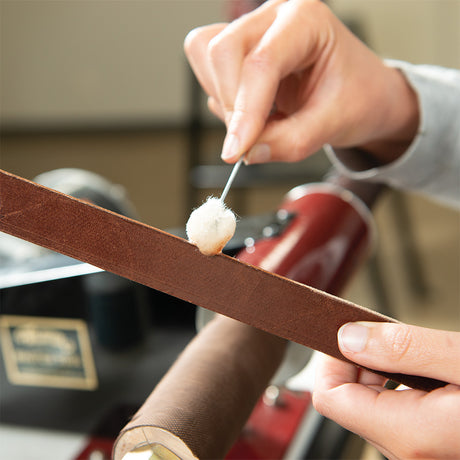


 Regular price $4.10 Sold by 12 packUnit price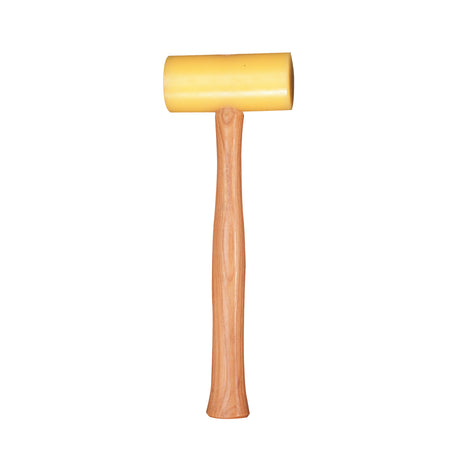
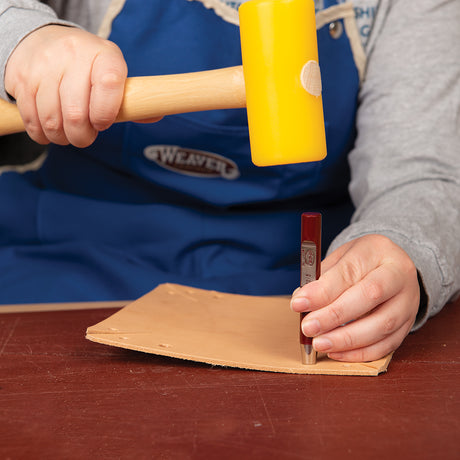


 Regular priceFrom $42.50Unit price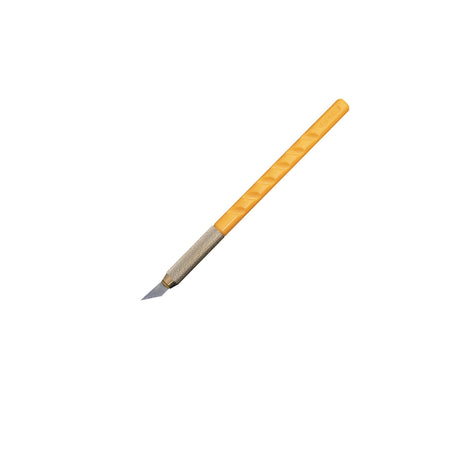
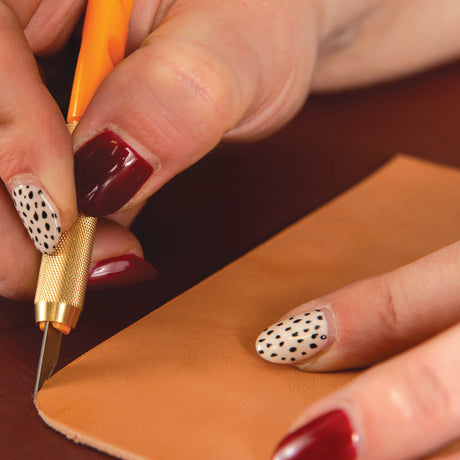
 Regular price $14.00Unit price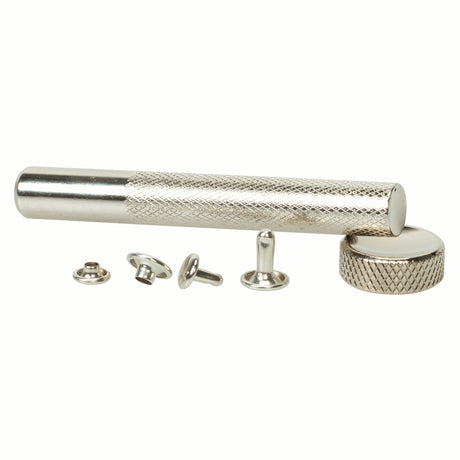
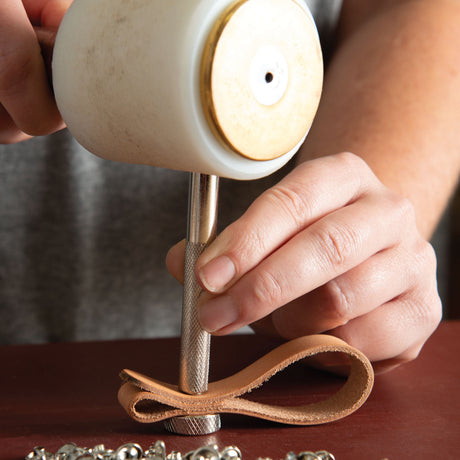

#2200 Double Cap Rivet and Insta-Rivet Setter
Regular price $5.10Unit price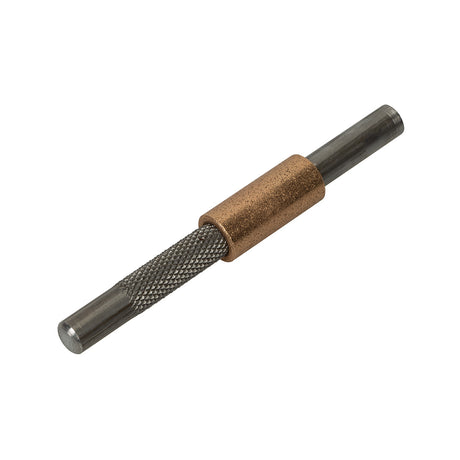
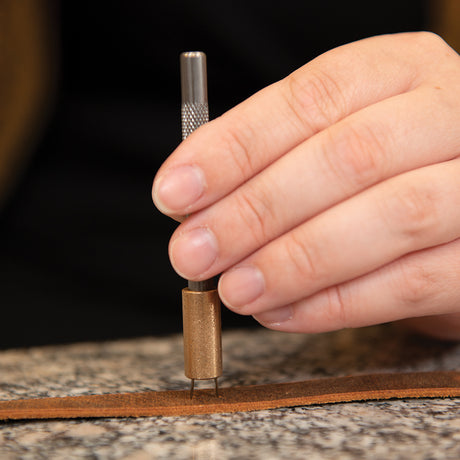


 Regular price $21.75Unit price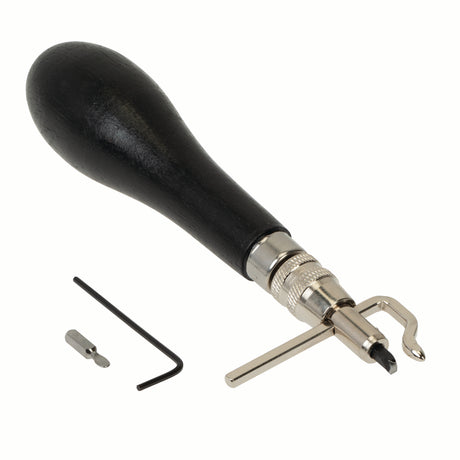
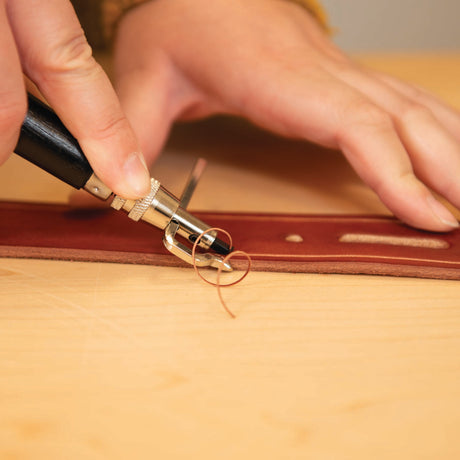

 Chuck's PickRegular price $38.00Unit price


 Regular price $57.00Unit price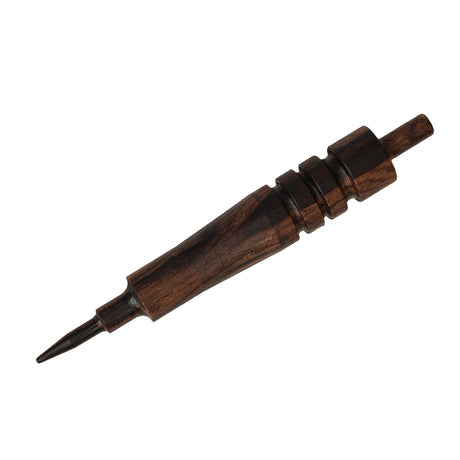
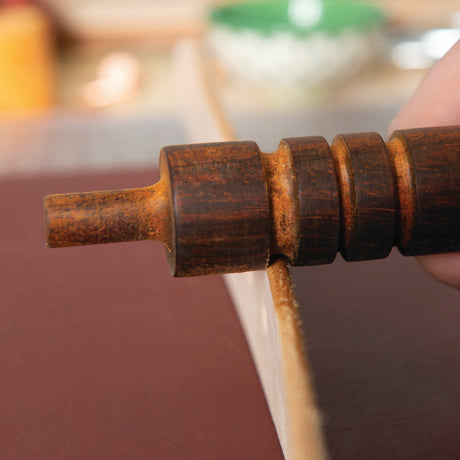


 Regular price $62.00Unit price
 Regular price $19.20Unit price


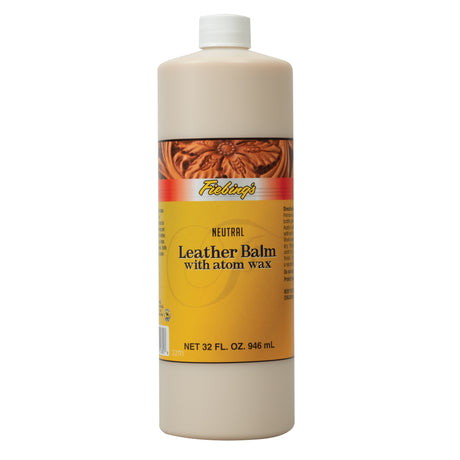
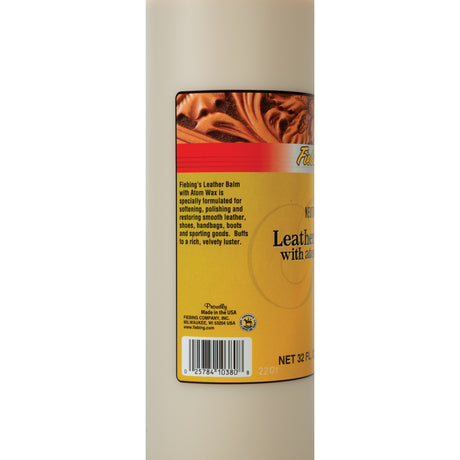

Fiebing's Leather Balm with Atom Wax, Neutral
Regular priceFrom $8.60Unit price


Frequently Asked Questions
What type of leather is best for belts?
What type of leather is best for belts?
Vegetable-tanned leather is one of the most popular choices for belts because it is durable, easy to tool, and ages well over time. Heavier leather weights are commonly used for work belts and everyday carry belts. Softer leathers may be used for fashion belts.
How thick should a leather belt be?
How thick should a leather belt be?
Leather belt thickness depends on the intended use and desired flexibility. Work belts are typically thicker for durability, while casual belts may use lighter leather for comfort and flexibility. Proper thickness helps improve longevity and support.
Can leather belts be tooled or stamped?
Can leather belts be tooled or stamped?
Vegetable-tanned leather belts are commonly used for tooling, stamping, and carving custom designs. Dampening the leather before tooling helps create cleaner impressions. Decorative belts are popular for both fashion and Western leathercraft.
What hardware is used for leather belts?
What hardware is used for leather belts?
Leather belts commonly use buckles, rivets, snaps, Chicago screws, and keeper loops. Hardware size and finish should match the belt width and intended style. Durable hardware helps improve both function and appearance.
How do you maintain a leather belt?
How do you maintain a leather belt?
Leather belts should be cleaned regularly and conditioned occasionally to help prevent cracking and drying. Proper storage away from excessive heat and moisture can also help extend the life of the belt.
Are handmade leather belts durable?
Are handmade leather belts durable?
Well-made handmade leather belts are known for durability and long-term wear. Quality leather and proper construction techniques help belts maintain shape and performance over time. Many leather belts improve appearance with age and use.