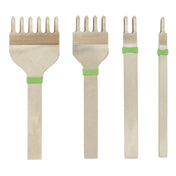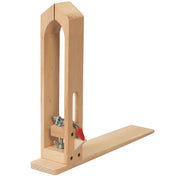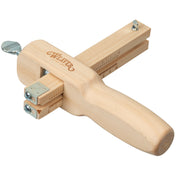
Tools and Materials Used in This Project
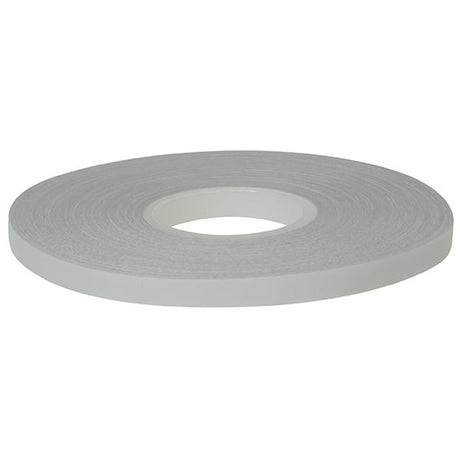
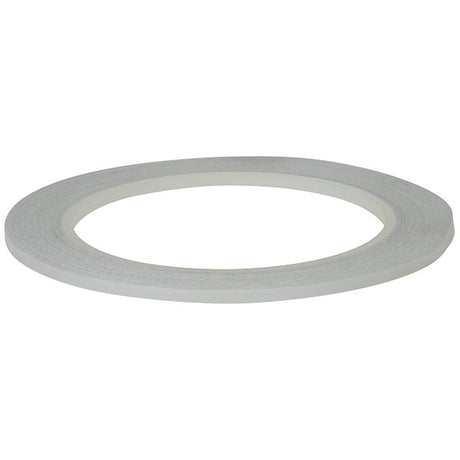
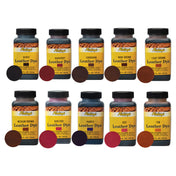
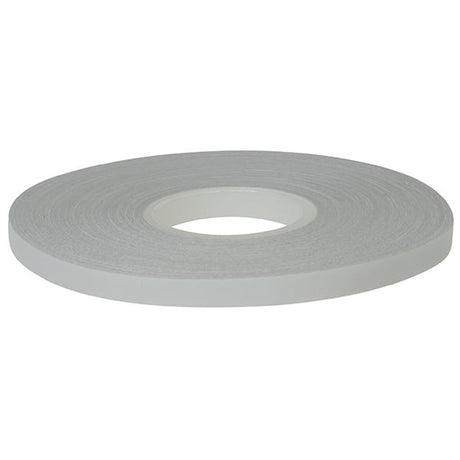 Regular priceFrom $4.00Unit price

 Regular price $49.00Unit price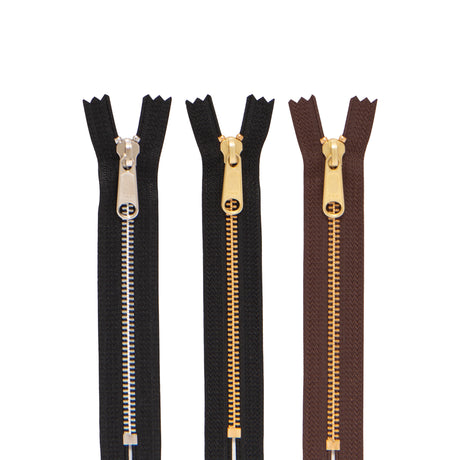


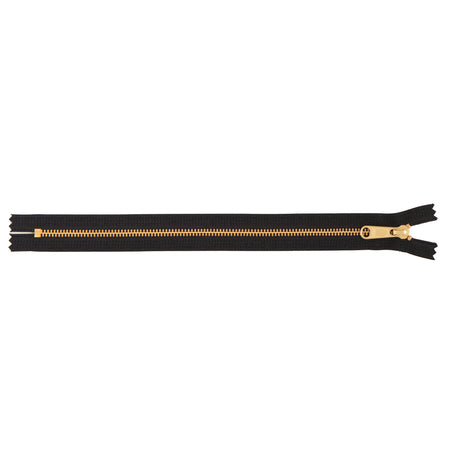
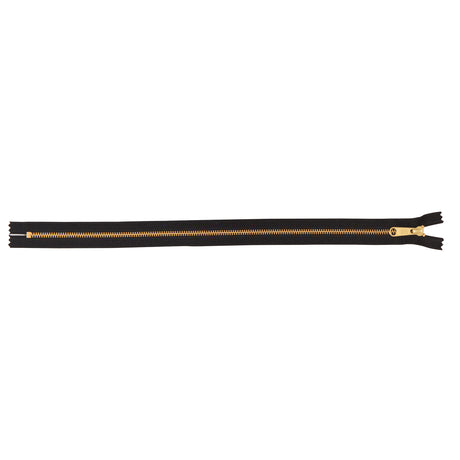


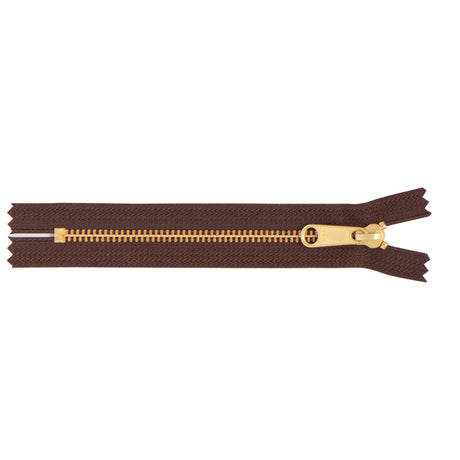
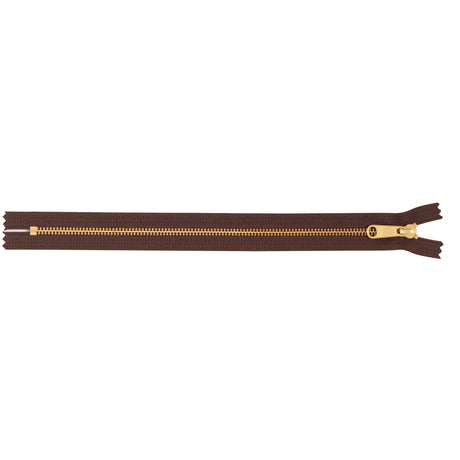
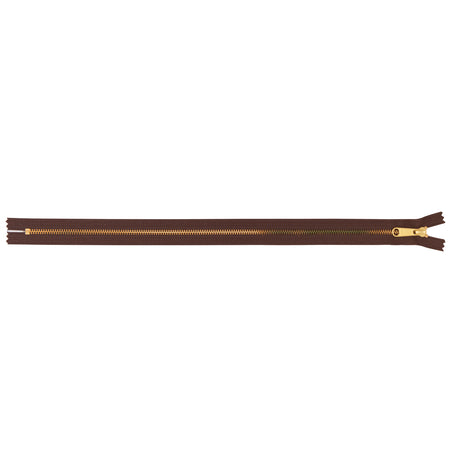


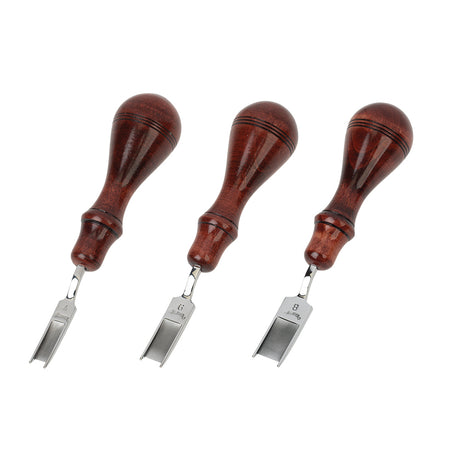
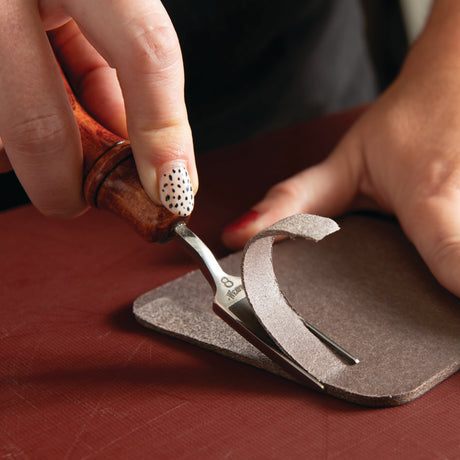


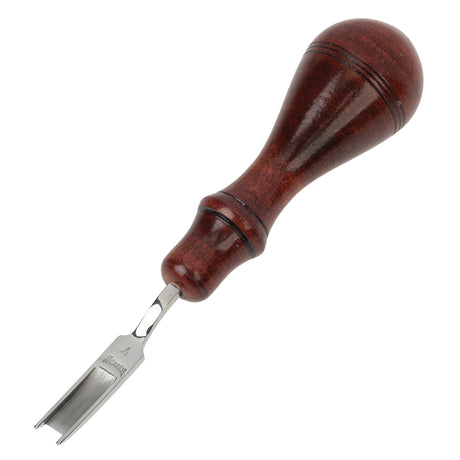
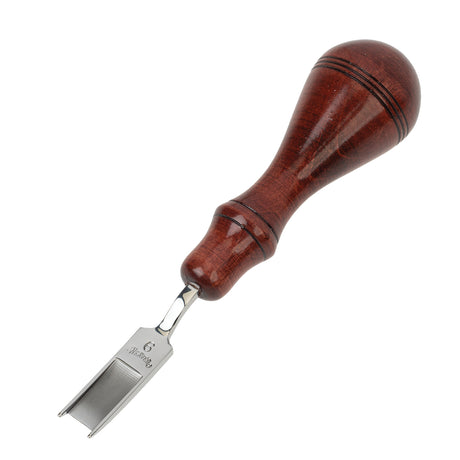
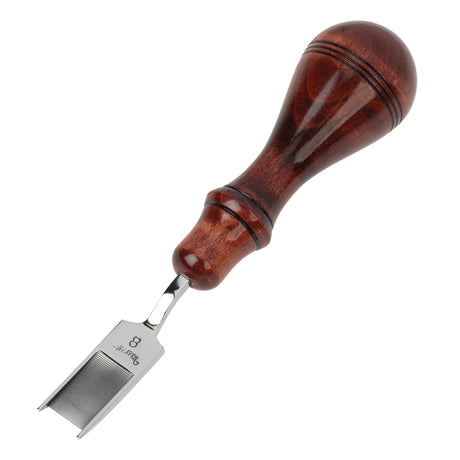 Regular price $75.00Unit price


 Up to 43% off


 Up to 34% off


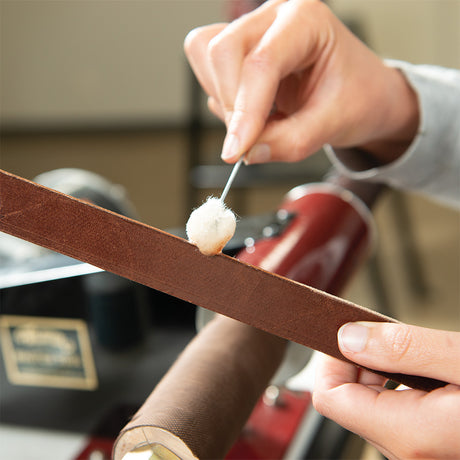


 Regular price $4.10 Sold by 12 packUnit price


 Regular priceFrom $12.10Unit price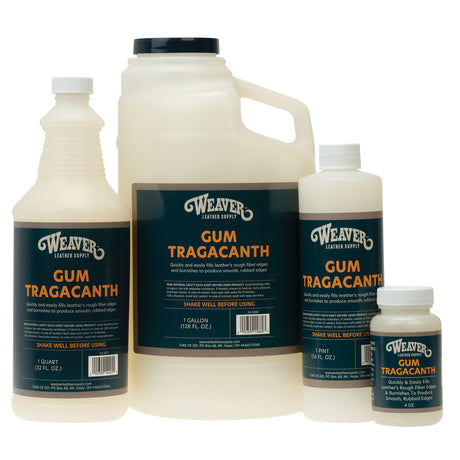
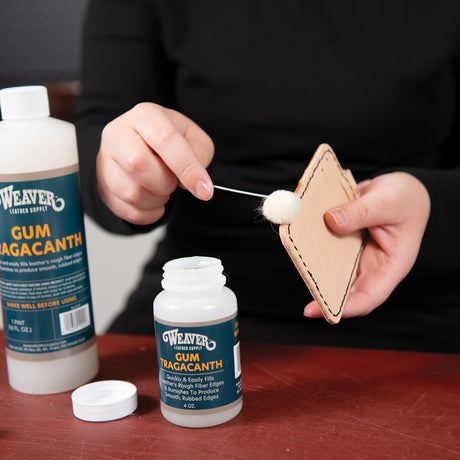


 Chuck's PickRegular priceFrom $5.70Unit price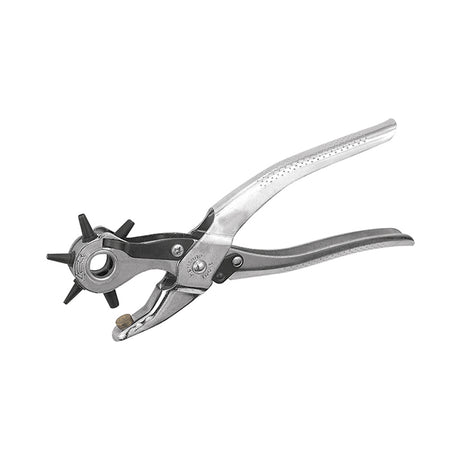
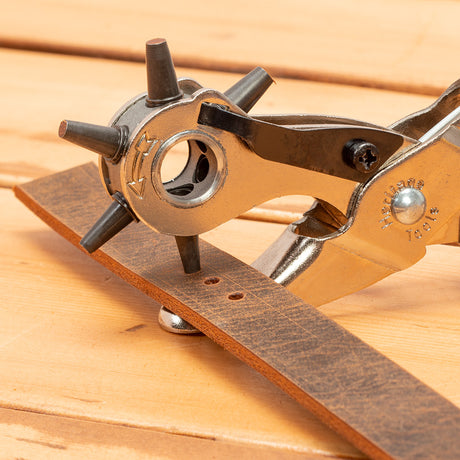


 Regular price $24.50Unit price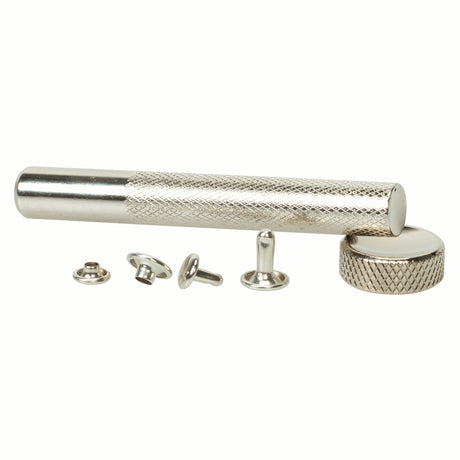
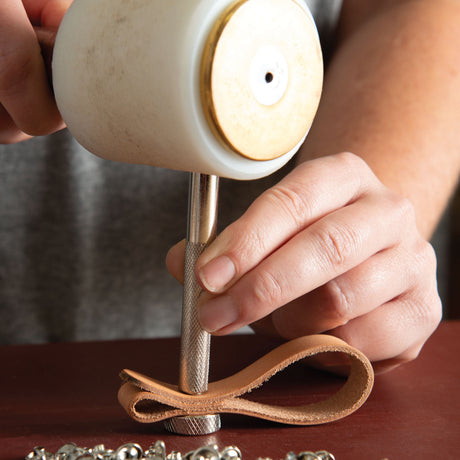

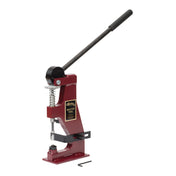
#2200 Double Cap Rivet and Insta-Rivet Setter
Regular price $5.10Unit price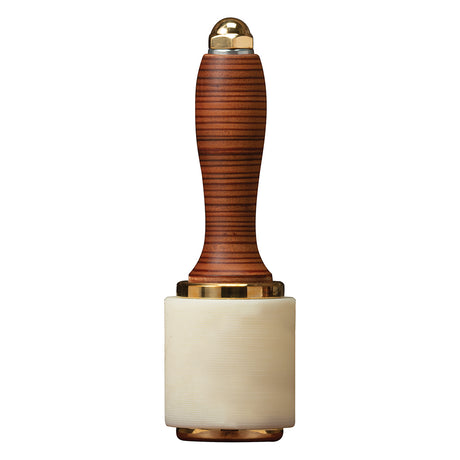
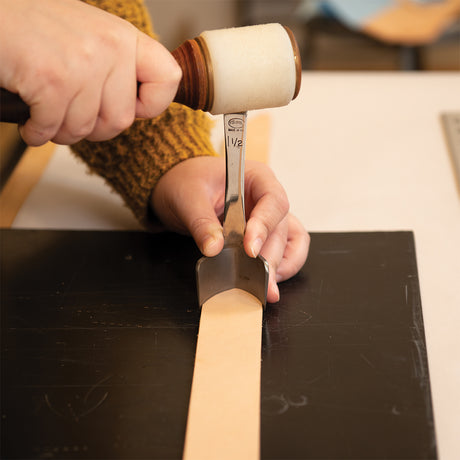


 Regular priceFrom $125.00Unit price


Weaver 303 Leather Sewing Machine, Complete with Stand & Servo Motor
Regular price $1,600.00Unit price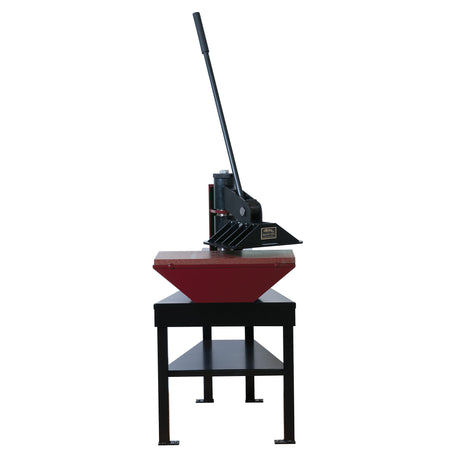
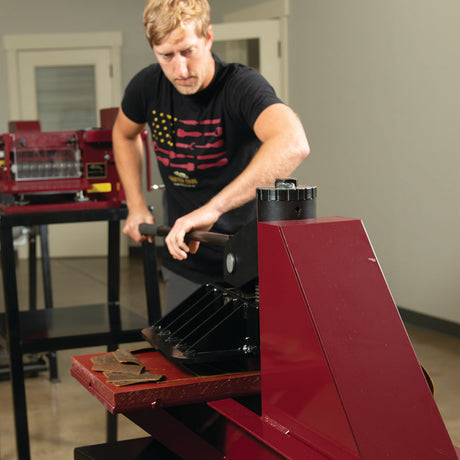


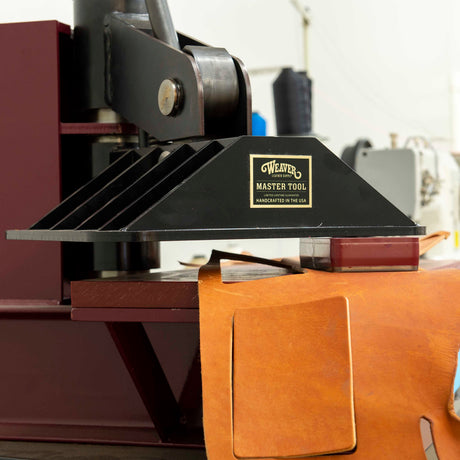
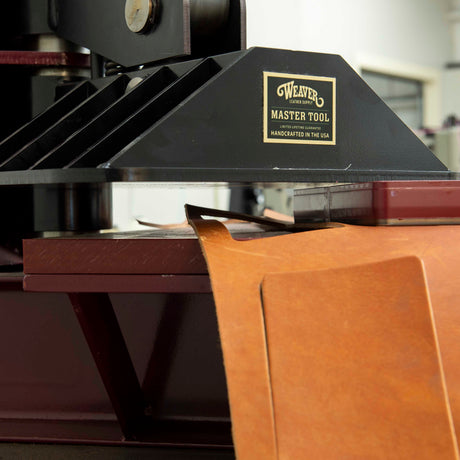
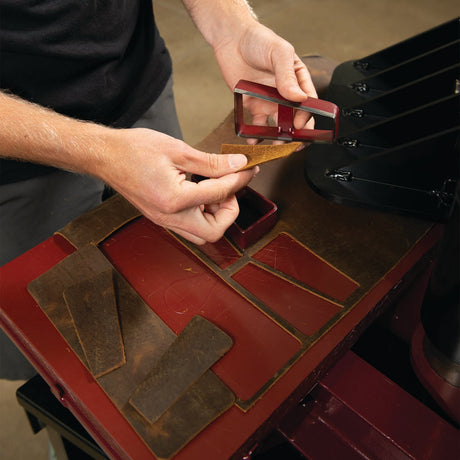

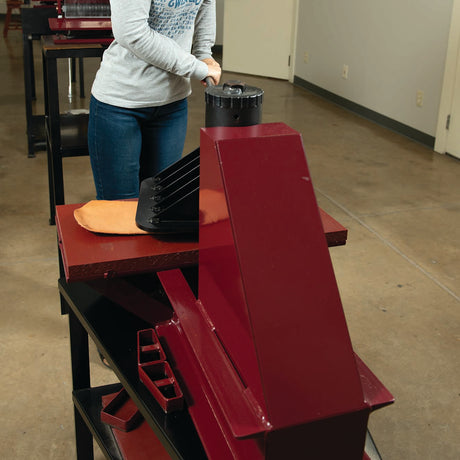

Master Tool Mighty Wonder 8 Ton Hand-Operated Clicker
Regular price $3,500.00Unit price


Frequently Asked Questions
Why do leather bags need lining?
Why do leather bags need lining?
Bag linings help protect the inside of the bag while improving structure and appearance. Linings can also cover seams, reinforce the bag, and provide pockets or compartments for organization.
What materials are used to line leather bags?
What materials are used to line leather bags?
Common lining materials include canvas, fabric, suede, pigskin, and lightweight leather. The best material depends on the bag style, durability needs, and desired appearance. Some linings are chosen specifically for softness or added structure.
Does lining make a leather bag stronger?
Does lining make a leather bag stronger?
A properly installed lining can help improve the structure and durability of a leather bag. Reinforced linings may also reduce stretching and wear over time. Structured linings are especially useful for larger bags and totes.
Can beginners line a leather bag?
Can beginners line a leather bag?
Yes, many beginner leatherworkers learn bag lining techniques using simple tote bags or small projects. Careful measuring and clean stitching help improve final results. Beginner-friendly patterns can also simplify the process.
Should leather bag linings be glued or sewn?
Should leather bag linings be glued or sewn?
Many leather bag linings use both adhesive and stitching for better hold and cleaner assembly. The construction method depends on the bag style and materials being used. Combining both methods can help improve durability.
What is the best lining for a leather tote bag?
What is the best lining for a leather tote bag?
Canvas, fabric, and lightweight leather linings are commonly used in tote bags because they provide structure without adding excessive bulk. The best lining depends on intended use, weight requirements, and overall bag design.