How to Make a Cowhide Pillow with the Weaver 303 Sewing Machine
Choosing the Perfect Size and Style

For this project, we’re going with a 14" x 14" pillow—a great accent size for sofas, chairs, and cozy corners. It’s large enough to make an impact without overwhelming your space.
You can find pillow inserts in just about any craft store or online. They come in multiple sizes and fill levels, so choose what feels best for your home.
When cutting your pieces, add about an inch to your desired finished size (so a 14" x 14" pillow becomes 15" x 15"). This gives you room for seams and helps your finished cowhide pillow fit perfectly over the insert.
For the back, we’ll use a simple envelope-style design rather than a zipper—it’s beginner-friendly and still looks professional.
Picking the Right Leather for Your Pillow

One of the best parts of making your own leather pillow is choosing the hide that fits your style. Weaver Leather Supply carries a beautiful selection of hair-on cowhides in patterns like black and white, brown and white, brindle, and exotic tones.
Every hide is one-of-a-kind, so no two cowhide pillows will ever look the same—that’s the beauty of working with natural materials. If you prefer a sleek, modern look, go for black and white. For something warm and rustic, brown and brindle tones pair beautifully with most home décor.
And if you want maximum softness, consider shearling! Weaver’s brown-tip chrome-tanned shearling would make an incredibly cozy pillow or even a rug.
Cutting the Leather

Cutting hair-on hide can feel a little tricky, but don’t worry—this is one of those easy leather projects that’s beginner-friendly. You’ll get great results by marking your pattern on the flesh side of the hide. Weaver’s clear pattern sheeting makes it simple to see exactly where you want to cut so you can choose the best section of your hide.
Use a sharp knife for clean edges, and expect some loose hair when cutting. Give the panel a good shake and a quick pass with a shop vac to keep your workspace tidy.
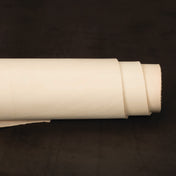
For the backing, we recommend Deer Tan Cowhide—a soft, supple, and affordable leather that makes a great complement to the hair-on front. Cut two backing pieces (each about 15" wide by 9" tall) for the envelope closure.
Assembling the Pillow

You’ll sew your pillow inside out, so remember: the hair-on side faces inward, and the top grain of your backing leather faces down.
Since tape and glue don’t play well with hair-on hide, use small clips to hold everything together. Don’t stress about perfectly matched edges—once you flip your leather pillow right-side out, it’ll look great.
Before sewing, use a round corner knife to smooth out your corners. Weaver offers six sizes, and the 40 mm works perfectly for this project.
Sewing Your Cowhide Pillow on the Weaver 303

Here’s where the fun really starts. The Weaver 303 sewing machine is a dream to use for this kind of project. Designed specifically for leather, it gives you precise control over every stitch. The servo motor allows you to sew as slowly as one stitch per second—perfect for corners and curves.
If you’ve been nervous about learning to use a leather sewing machine, this project is a great introduction. The seams are straight, the corners are simple, and your materials are forgiving. You’ll get to practice backstitching, guiding consistent seams, and controlling your stitch length—all foundational skills for bigger projects down the road.
Use clips instead of tape to hold your layers together (tape doesn’t work well on hair-on hide). Sew your pillow inside out, then trim the seams and round your corners with a 40 mm round corner knife for a clean finish.
And if you don’t yet own a leather sewing machine, don’t worry—you can still complete this project by hand stitching. But it’s an excellent example of how the Weaver 303 sewing machine can make your leathercraft faster, easier, and more consistent.
Finishing Touches

Once you’ve sewn around the edges, trim any extra hair or uneven seams. Give it one last vacuum, then turn your pillow right-side out. Use your thumbs to gently shape and round the corners, then insert your pillow form through the back opening.
Adjust it until the corners are full and even—and just like that, your leather pillow is ready for display!
The Perfect Beginner Project
This project is a great confidence booster for anyone learning to use a sewing machine for beginners — especially one built for leather. The Weaver 303 helps you take on projects that might feel intimidating with ease and precision, setting you up for success as you grow your skills.
If you’ve ever wanted to make something beautiful, practical, and totally your own, this leather DIY project is the perfect place to start. With just a few cuts and stitches, you’ll have a handcrafted leather pillow that adds texture, warmth, and personality to any room.
Shop the Materials:
- Weaver 303 Sewing Machine
- Hair-On Cowhide (choose from black and white, brown and white, exotic, or brindle)
- Deer-Tan Cowhide for the backing
- Pattern Sheeting (transparent for easy placement)
- Round Corner Knife (or scissors if needed)
- Small Craft Clips (to hold panels while sewing)
- Pillow Insert (14” x 14”)
Watch the full tutorial:
How to Make a Hair-On Cow Pillow on the Weaver Leather Supply YouTube channel