
General Purpose Aerosol Spray Glue
Regular price $12.70Unit price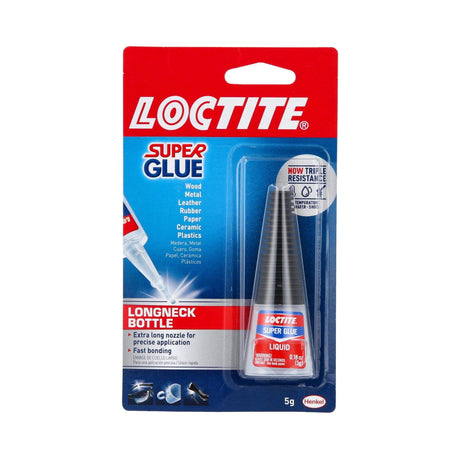
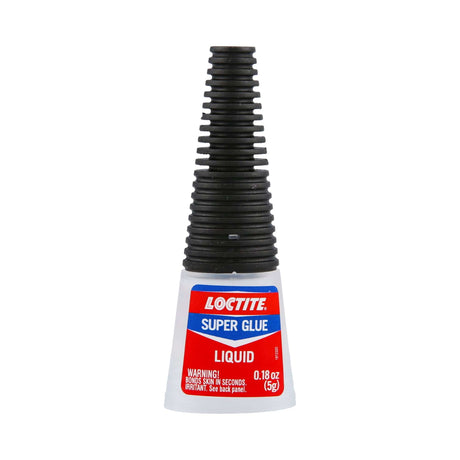

0.16 oz, High Performance Super Glue
Regular price $3.84Unit price


Frequently Asked Questions
What materials can leather glue be used on?
What materials can leather glue be used on?
Leather glue is designed primarily for bonding leather, but many formulas can also adhere to materials commonly used in leathercraft, including suede, cork, fabric, foam, and some synthetic materials. Always check the product instructions to confirm compatibility with your project.
Is leather glue strong enough for permanent repairs?
Is leather glue strong enough for permanent repairs?
Many leather glues create a durable bond suitable for leathercraft projects and light repairs. For items that will experience significant stress, such as belts, saddlery, or frequently flexed seams, glue is often used together with stitching or rivets for maximum strength.
Do I need to clamp the leather while the glue dries?
Do I need to clamp the leather while the glue dries?
Most leather glues achieve the best bond when the pieces are pressed together firmly during curing. Depending on the project and adhesive, clamps, weights, or even hand pressure may be recommended. Follow the drying and curing times listed on the product label.
How long does leather glue take to dry?
How long does leather glue take to dry?
Drying times vary by formula, temperature, and humidity. Many leather glues set within minutes but require several hours to fully cure before the item is put into regular use. Always follow the manufacturer's recommended drying and cure times.
What's the difference between leather glue and contact cement?
What's the difference between leather glue and contact cement?
Leather glue is often easier to apply, allows for some repositioning, and works well for many everyday leathercraft projects. Contact cement typically creates an immediate, high-strength bond once both surfaces are joined, making it a popular choice for laminating leather and projects that require a very strong hold.
Can leather glue be sanded, dyed, or finished after it dries?
Can leather glue be sanded, dyed, or finished after it dries?
Many leather glues dry clear and can be sanded or trimmed if needed. Whether glue can be dyed or finished depends on the specific adhesive and your project. For the cleanest results, avoid getting glue on areas that will receive dye or decorative finishes.
Is leather glue waterproof?
Is leather glue waterproof?
Some leather adhesives offer water-resistant or waterproof properties, while others are intended for indoor or dry-use projects. Check the product specifications if your finished item will be exposed to moisture or outdoor conditions.
Can leather glue be used instead of stitching?
Can leather glue be used instead of stitching?
Glue is excellent for holding leather pieces in place during assembly and may be sufficient for decorative or low-stress projects. For wallets, bags, belts, holsters, and other items that experience regular wear, combining glue with stitching generally provides the strongest, longest-lasting results.
How should I prepare leather before applying glue?
How should I prepare leather before applying glue?
For the strongest bond, make sure both surfaces are clean, dry, and free of oils, waxes, or finishes. Lightly roughing smooth leather surfaces, when appropriate for the adhesive you're using, can also improve adhesion.
How should I store leather glue?
How should I store leather glue?
Store leather glue tightly sealed in a cool, dry place away from extreme heat, freezing temperatures, and direct sunlight. Proper storage helps extend the life of the adhesive and maintain consistent performance.