Sharpening Leather Tools: A Guide to Keeping Your Blades in Top Shape

If you’ve spent any time in your leather shop, you know the importance of a sharp tool. Whether you're skiving edges, cutting thick hides, or punching precise holes, a clean, sharp blade can make or break your project. Dull tools can lead to torn leather, crooked cuts, and even personal injury.
In this post, we’re sharing highlights from Chuck Dorsett’s expert sharpening tips—straight from The Leather Element video series. You’ll learn how to sharpen six common tools, what to use, and how to keep your blades performing their best with supplies you probably already have in your shop. Check out the video below for a closer look at how to keep your tools in top shape.
Why Tool Sharpness Matters
A sharp tool isn’t a luxury—it’s a necessity. Here's why it matters:
- Cleaner cuts: Sharp tools glide through leather, giving you smooth, professional edges without fraying or pulling.
- Less effort: You'll use less pressure, which means better control and reduced fatigue.
- Protects materials: Dull blades can tear leather or leave uneven impressions, ruining your work.
- Protects your tools and surfaces: A dull edge can damage mallets, cutting mats, and punching surfaces over time.
- Safer crafting: Believe it or not, a sharp blade is safer. Dull tools are more likely to slip unexpectedly and cause injury.
Six Leatherworking Tools You Should Be Sharpening Regularly
Let’s break down exactly how to maintain six common leather tools Chuck recommends sharpening—and how to do it without complicated or expensive equipment.
1. Edge Bevelers (Edgers)

What they do: Edge bevelers round off the sharp corners of cut leather for a cleaner, more finished look.
How to sharpen:
- Method 1: Use waxed thread (like Ritza Tiger Thread) and coat it with white rouge or stropping compound.
- Pull the edger gently along the coated thread to polish the edge.
- Important: Always pull, never push—pushing can damage your tool or snap the thread.
Why this works: The compound acts as a mild abrasive, and the thread shape fits perfectly into the groove of the beveler.
- Method 2: Use a wooden strop board, like the one included in this complete kit.
2. Oblong Punches

What they do: Oblong punches cut strap slots and holes for buckles and hardware.
How to sharpen:
- Make a DIY tool by gluing fine-grit sandpaper to a pencil—this helps you clean and refine the inside edge of the punch.
- For the outside, use a leather strop loaded with white rouge to polish the bevel.
Pro tip: Use short, controlled strokes to keep the shape of the punch intact while restoring its cutting edge.
3. English Point & Round End Punches

What they do: These punches shape the ends of straps with a smooth, rounded look.
How to sharpen:
- Use a leather strop with compound to polish both the inside and outside edges. For the inside edge, let the strop hang over the edge of your cutting board and carefully drag the inside of the punch along this edge.
- Similar to oblong punches, but generally easier to strop due to their smoother curves.
Bonus: Keep a small, curved stropping tool handy for quick touch-ups between projects.
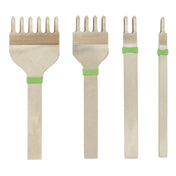
4. Stitching Chisels

What they do: Chisels punch evenly spaced stitching holes or marks into leather.
How to sharpen:
- Gently strop the teeth of the chisel using compound on a flat piece of leather. Make sure to angle the chisel slightly to avoid blunting the teeth.
- Keep the strokes light and even to avoid changing the tooth spacing.
Chuck's tip: Regular stropping is key—don’t wait until your chisel struggles to punch cleanly.
5. Groovers

What they do: Groovers cut a channel into the leather where your stitches will sit, helping them lay flush with the surface.
How to sharpen:
- Use a fabric sewing needle to clean any debris or buildup from the blade tube.
- Then, strop the blade by dragging it backward across a compound-loaded leather surface.
Why it matters: A dull groover can cause uneven grooves, tear the leather, or jump off-course.
6. Round Knives

What they do: These versatile knives can cut, skive, and edge leather with control and power.
How to sharpen:
- Use a flesh-side leather strop with compound to polish the edge.
- Roll the blade gently across the strop to sharpen the edge while maintaining the curve. Strop two passes on each side.
Pro tip: Keep your round knife razor-sharp with daily stropping. A sharp edge here is especially crucial due to the knife's multi-use design.
Bonus Tips: Corner Knives & When to Replace Blades

- Corner knives benefit from custom strops—a small piece of leather glued to a dowel or block lets you match the tool’s shape.
- For tools like strap cutters, skivers, or utility blades, it’s often best to replace the blade entirely. These blades are cheap and quick to swap, so don’t waste time trying to salvage one that’s beyond repair.
Recommended Sharpening Supplies

Here are some of Chuck’s go-to materials—and most can be found in your workshop already:
- White Rouge Compound – Reliable, affordable, and great for all-purpose sharpening.
- Leather Strops – Use the flesh side of the leather for better traction with compound.
- Waxed Thread or Plumb Line – Perfect for small tools like edgers.
- Scrap Leather or Wood Dowels – Customize your own stropping blocks and tools.
How Often Should You Sharpen?

- Strop Daily: Before every project for a quick tune-up.
- Sharpen Weekly: If you’re doing regular work or notice light dulling.
- Deep Sharpening: When your tools drag, tear, or require extra pressure.
Think of sharpening like oiling your leather—it’s all about prevention and performance.
Final Thoughts
Keeping your leather tools sharp doesn’t have to be complicated or expensive. With a few simple supplies, some scrap leather, and a bit of regular care, you’ll keep your blades in top shape and your projects looking sharp.
“A sharp tool makes all the difference in the world.” – Chuck Dorsett
Explore Chuck’s full tutorial in The Leather Element series and grab your sharpening supplies at WeaverLeatherSupply.com.