Best Projects & Uses for Vegetable-Tanned Leather

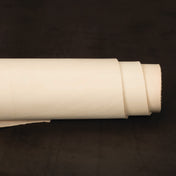
Vegetable-tanned leather is best for projects that benefit from firmness and durability. It's also a great choice for tooling, molding, and burnishing, and develops a beautiful natural patina over time. Common uses include belts, wallets, sheaths, structured bags, tack, notebook covers, and carved or stamped leather goods.
What makes veg tan so versatile is the way it responds to tools and finishing. It can be cut cleanly, shaped, stamped, dyed, burnished, and wet-formed, making it a strong choice for projects where structure and customization matter.

Why Vegetable-Tanned Leather Works So Well for Certain Projects

Vegetable-tanned leather is typically firmer and more structured than many other types of leather. It also accepts tooling, stamping, dye, edge finishing, and molding especially well.
Those characteristics make it a good fit for projects that need to hold their shape or develop character with use.
Veg tan is especially valued for its ability to:
- Hold crisp stamped or carved designs
- Burnish to smooth, polished edges
- Take dyes and finishes well
- Wet-mold into specific shapes
- Develop a rich patina over time
- Maintain structure in belts, cases, and other firm goods
That does not mean veg tan is the best leather for every project. Its strengths are most useful when you actually want some combination of structure, durability, customization, and visible aging.
Best Uses for Vegetable-Tanned Leather
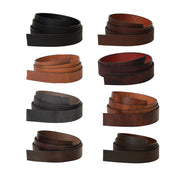
Belts and Straps
Belts are one of the classic uses for vegetable-tanned leather.
Veg tan is firm enough to hold its shape under tension, yet it can still flex comfortably with use. It also takes edge beveling and burnishing very well, which helps give belts and straps a clean, finished appearance.
Because the leather can be stamped, dyed, carved, or left natural, it also works well for both simple belts and heavily decorated designs.

Wallets and Card Holders
Vegetable-tanned leather is a strong choice for wallets because it combines structure with the ability to break in naturally over time.
Thin veg tan can be used for card pockets and interior layers, while slightly heavier leather can provide structure for the wallet body.
One of the biggest advantages is how well the material ages. Frequent handling gradually darkens and softens the leather, creating a patina that makes each wallet look more individual over time.

Sheaths, Holsters, and Cases
Veg tan works especially well for sheaths, holsters, and fitted cases because it can be wet-molded around an object.
When dampened, the leather becomes more flexible and can be shaped to follow the contours of a knife, tool, or other item. As it dries, it firms back up and retains much of that shape.
Its rigidity also helps protect the item inside and gives these projects a clean, structured look.

Tooling and Carving Projects
If a project involves stamping, carving, or decorative tooling, vegetable-tanned leather is usually one of the best choices.
The fibers respond well to moisture and pressure, allowing impressions to remain sharp and defined after the leather dries.
This makes veg tan ideal for:
- Floral carving
- Basketweave stamping
- Geometric patterns
- Lettering
- Logos
- Decorative borders
Other leathers can sometimes be stamped, but veg tan is especially well suited to detailed tooling because of how clearly it holds an impression.

Structured Bags and Leather Goods
Vegetable-tanned leather works well for bags and cases when you want the finished piece to hold its shape.
It is especially useful for structured totes, briefcases, satchels, tool bags, and similar projects where a firmer body is desirable.
The leather's rigidity can help panels stand upright without as much internal reinforcement, and its ability to age naturally works especially well on frequently handled bags.
For very soft or slouchy bags, however, a more supple chrome tanned leather may be a better choice.

Notebook Covers and Small Accessories
Notebook covers, key fobs, watch straps, coasters, and other small leather goods are all good candidates for veg tan.
These projects take advantage of several of the leather's strengths at once. Veg tan can be cut precisely, personalized with stamps or tooling, dyed in nearly any color, and finished with smooth edges.
Small projects also make a good introduction to vegetable-tanned leather because they allow you to practice basic cutting, edge finishing, stitching, and dyeing without using a large amount of material.

Equestrian and Tack Projects
Vegetable-tanned leather has long been used in many types of tack and harness work because heavier weights can provide excellent strength and structure.
Depending on the leather and intended use, veg tan may be suitable for projects such as:
- Straps
- Reins
- Headstalls
- Breast collars
- Harness components
- Other structured tack pieces
For working tack, it is especially important to choose leather with the correct weight, quality, and strength for the application rather than selecting it based on tannage alone.

Wet-Molded and Shaped Leather Projects
Veg tan is one of the best choices for projects that need to be formed into a three-dimensional shape.
When moistened, the leather becomes pliable enough to shape over a mold or object. Once it dries, it becomes firm again and retains the new form.
This technique is useful for:
- Pouches
- Tool holders
- Cases
- Sheaths
- Molded pockets
- Decorative forms
The ability to wet-form veg tan makes it far more useful for structured three-dimensional projects than many softer leathers.
When Vegetable-Tanned Leather May Not Be the Best Choice
Veg tan is versatile, but its firmness can also be a limitation.
It may not be the best option when a project needs to be very soft, drapey, or flexible from the start.
Other leathers may be better suited for:
- Soft garments
- Slouchy handbags
- Upholstery
- Linings
- Soft pouches
- Projects that need immediate flexibility
Vegetable-tanned leather will usually soften with use, but it does not typically have the same supple feel as softer chrome-tanned or oil-tanned leathers right away.
That is why the best leather depends not only on durability, but also on how you want the finished item to feel and behave.

How to Choose the Right Veg Tan for Your Project
Not all vegetable-tanned leather is the same.
Before choosing a hide or side, consider:
- Weight: Thinner leather works better for wallets and small goods, while heavier leather is better suited to belts, sheaths, and some tack.
- Firmness: Some veg tan is very rigid, while other varieties have a softer temper.
- Finish: Natural veg tan is ideal for dyeing and tooling, while pre-finished leather may be better when you want a consistent final color.
- Tooling needs: If you plan to carve or stamp the leather, choose material specifically suited to tooling.
- Project structure: The more rigid the finished piece needs to be, the more important leather temper and thickness become.
The best choice is the leather that matches the project rather than simply the heaviest or firmest option available.
Is Vegetable-Tanned Leather Good for Beginners?
Yes. Vegetable-tanned leather can be an excellent material for beginners because it responds clearly to basic leatherworking techniques.
It is particularly useful for learning how to:
- Cut leather cleanly
- Bevel and burnish edges
- Punch stitching holes
- Saddle stitch
- Stamp and tool
- Apply dye and finish
Smaller projects such as card holders, key fobs, coasters, and simple notebook covers are good places to start.
Frequently Asked Questions
What is vegetable-tanned leather best used for?
Vegetable-tanned leather is best for structured projects that benefit from tooling, molding, burnishing, dyeing, or developing a patina. Belts, wallets, sheaths, bags, notebook covers, tack, and carved leather goods are all common uses.
Is vegetable-tanned leather good for wallets?
Yes. Veg tan is a popular wallet leather because it holds its shape, can be used in relatively thin weights, and develops a natural patina from regular handling.
Can vegetable-tanned leather be used for bags?
Yes, especially for structured bags. Its firmness helps the bag maintain its shape. For soft or slouchy bags, a more supple leather may be a better choice.
Can you wet-form vegetable-tanned leather?
Yes. Veg tan becomes more pliable when damp and can be molded around an object or form. As it dries, it firms up and retains much of the new shape.
Is vegetable-tanned leather good for tooling?
Yes. Tooling is one of veg tan's biggest strengths. Properly cased vegetable-tanned leather can hold crisp stamped and carved impressions, making it a standard choice for decorative leatherwork.
Does vegetable-tanned leather get softer over time?
Yes. Veg tan typically becomes more flexible and develops a deeper color and patina with handling and use, although it generally starts out firmer than many other types of leather.