How to Use a Leather Edger for Clean, Professional Edges

When it comes to leathercraft, few details make a bigger visual and functional impact than a well-finished edge. Whether you’re building a wallet, belt, bag, or strap, mastering edge beveling is essential—and it starts with the right leather edger.
In this guide, we’ll break down how to work with an edger, why edge beveling matters, and how a quality tool like the Master Tool Edge Beveler from Weaver Leather Supply can help you achieve smoother, more professional leather edges every time.
What Is a Leather Edger?

A leather edger, also commonly called an edge beveler, is a hand tool designed to remove the sharp, square corner from the edge of leather. By shaving off a small amount of material, the edger creates a rounded profile that’s easier to burnish, dye, or paint.
Using an edger improves both the appearance and durability of leather edges by:
- Reducing sharp corners and rough spots
- Helping edges burnish more smoothly
- Preventing premature edge wear and fraying
- Giving projects a refined, professional finish
No matter your skill level, learning proper edge beveling techniques is a foundational leatherworking skill.
The Master Tool Edge Beveler: A Reliable Leather Edging Tool

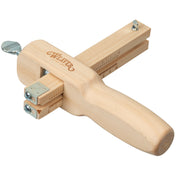
The Master Tool Edge Beveler is a traditional, fixed-blade leather edger trusted by leathercrafters for its balance of comfort, control, and cutting️ precision. Featuring a hand-turned hardwood handle and a precision-sharpened steel blade, this edger delivers clean, consistent cuts on a wide range of leather weights.
The angled blade design allows you to maintain a stable cutting angle while navigating straight runs, curves, and corners—making it a dependable choice for everyday leather edge work.
Available in multiple sizes, this edge beveler lets you match the tool to your project rather than forcing one size to do it all.
How to Use an Edger: Step-by-Step
1. Prepare the Leather Edge
Start with a clean, straight cut. Trim the edge with a sharp knife and lightly sand or scrape if needed. A smooth edge makes edge beveling easier and more consistent.
2. Hold the Edger at the Proper Angle
Position the edge beveler at approximately a 45-degree angle to the leather edge. This allows the blade to shave rather than dig.
3. Apply Light, Controlled Pressure
Push the leather edger forward in smooth, steady strokes. Let the sharp blade do the work—forcing the tool can cause uneven cuts or tearing.
4. Work in Sections
For long edges or tight curves, work in smaller sections to maintain control and consistency.
5. Bevel Both Sides if Needed
For thicker leather or premium finishes, beveling both the front and back edges helps create a balanced, rounded profile that burnishes more evenly.
Common Leather Edging Issues (and Fixes)
- Edger snagging or skipping – The blade may need sharpening or stropping
- Uneven bevels – Check your angle and pressure consistency
- Leather stretching – Support the leather edge firmly and reduce pressure
A sharp, well-maintained edge beveler is key to clean results.
Finishing After Edge Beveling

Once the edge is beveled, it’s ready for final finishing:
- Gently remove loose fibers with fine sandpaper
- Apply water, gum tragacanth, wax, or edge paint
- Burnish until the edge is smooth, rounded, and sealed
Proper edge beveling makes burnishing faster, smoother, and longer-lasting.
Why Every Leathercrafter Needs a Quality Edger

A good leather edger is one of the most-used tools on the bench—and for good reason. Cleanly beveled edges elevate the look, feel, and longevity of your work. The Master Tool Edge Beveler offers the control and reliability needed for consistent leather edge finishing, whether you’re just getting started or refining your technique.
Edges may frame your project, but they often define its quality. With the right edge beveler and a little practice, you can make every edge count.