How to Use a Stitch Groover: A Leathercraft Essential Explained

Clean stitch lines don’t happen by accident. They’re the result of good technique—and the right tools. One of the most important tools in leathercraft is the stitch groover. Whether you’re hand stitching a wallet or machine sewing a belt, knowing how to use a stitch groover will instantly elevate the look and durability of your work.
At Weaver Leather Supply, we believe mastering the basics is the foundation of great leatherwork. Let’s break down what a stitch groover does, when to use it, and how to get professional results every time.
What Is a Stitch Groover?

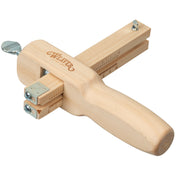
A leather stitch groover is a leatherworking tool designed to cut a shallow channel into the surface of leather. This groove allows your stitches to sit slightly below the surface, helping to:
- Protect thread from abrasion
- Create straight, consistent stitch lines
- Improve the overall appearance of your project
For projects that see daily wear—belts, bags, tack, and wallets—a stitch groover is a must-have.
When Should You Use a Stitch Groover?

If you’re stitching leather that will be flexed, rubbed, or handled often, grooving is highly recommended. Common projects include:
- Belts and straps
- Wallets and small leather goods
- Holsters and sheaths
- Bags and totes
- Saddlery and tack
Decorative stitching may not always require a groove, but for functional leather goods, it’s a smart step that adds longevity.
How to Use a Stitch Groover (Step by Step)
1. Prepare Your Leather
Start with clean, dry leather. If the leather is too soft or spongy, your groove may wander. Firm veg-tan leather works especially well for grooving.
2. Set the Groove Width
Most adjustable stitch groovers allow you to control how far the groove sits from the edge. Set the fence to your desired distance—commonly 1/8" to 3/16" for most leathercraft projects.
3. Hold the Tool Correctly
Grip the stitch groover like a pencil, keeping your hand relaxed. Apply steady, even pressure—let the blade do the work.
4. Cut the Groove
Starting at one end, pull the tool toward you in a smooth motion. Keep the fence firmly against the edge of the leather to maintain a straight line. Avoid stopping mid-stroke, which can create uneven depth.
5. Check Your Depth
Your groove should be shallow. Deep enough to seat the thread, but not so deep that it weakens the leather. A light, consistent channel is the goal.
For a visual demonstration, check out the video below from leathercrafting expert Chuck Dorsett.
Pro Tips for Better Stitch Grooves
- Keep the blade sharp: A dull groover can tear fibers instead of cutting cleanly.
- Practice on scrap leather before moving to your project.
- Groove before marking stitch holes to ensure alignment.
- Use light passes rather than forcing a deep cut in one go.
These small habits make a big difference in the final result.
Common Stitch Groover Mistakes to Avoid
Even experienced leathercrafters can run into issues. Watch out for these common mistakes:
- Grooving too close to the edge
- Applying uneven pressure
- Cutting too deep
- Grooving chrome-tanned leather that won’t hold a clean channel
Taking your time and letting the tool work will help you avoid costly errors.
Mastering the Leather Stitch Groover

Learning how to use a stitch groover is a key step in mastering leathercraft basics. It’s a simple tool, but when used correctly, it adds durability, consistency, and a professional finish to your work.
Whether you’re just starting out or refining your technique, quality leatherworking tools make all the difference—and a stitch groover belongs in every leathercrafter’s toolbox.
Looking for stitch groovers, replacement blades, or expert advice? We’re always here to help you build better.