In Part 1 of our series on how to teach a leathercraft class, we covered a few of the important choices you’ll have to make when you decide to start teaching: who to teach, where to hold your class, and what project to choose. Now you’re ready to take the next step: preparing to actually run your class.
For those of us who love working with leather, it’s almost impossible not to want to share it with others. There’s something really special about seeing someone’s face light up when they finish their very first project. Teaching gives you a way to pass on that excitement—and if you set yourself up right, it can be one of the most rewarding things you do in leathercraft.
With that in mind, there are a few steps you can take when prepping for your class to make sure the day runs as smoothly as possible.
Step 1: Confirm Class Size
Class size can make or break your experience as an instructor. When you’re just starting out, it’s best to keep it small—four or five students at most.
Remember, you’re not only learning how to teach, you’re also learning to teach the specific project you’ve chosen. Every class has its own rhythm, and smaller groups give you space to figure out what works best.
It’s also important to recognize that everyone works at their own pace. A great trick? Build natural pauses into your teaching. After you demonstrate a step, take a few minutes to talk about techniques, answer questions, or share tips. Slower students can catch up without feeling rushed, and faster ones stay engaged with the class material.
And if you’ve got someone in the class who’s a little more experienced, ask them to lend a hand. They’ll love being involved—and you’ll appreciate the help!
Step 2: Practice Your Project and Make a Materials List

Before your class ever begins, you should make the entire project yourself from start to finish. I promise, taking the time to do this will save you a lot of stress later.
As you work, write down:
- Each step of the process
- Every tool you use
- All of the materials, including how much you used
This not only helps you understand how long the project takes, but it also ensures you don’t forget anything. Nothing throws off a class faster than realizing halfway through you forgot something simple—like thread or needles. A full dry run makes sure your project (and your teaching plan) actually work before you’re in front of students.
Step 3: Write Yourself a Teaching Script
It might sound funny, but having a teaching script really helps. Think of it as your roadmap for the class—it keeps you organized and confident even when the room is buzzing with questions.
Here’s an easy format to try:
- Step number at the top
- Bullet points with dos, don’ts, and helpful tricks
- Notes about common mistakes or fun facts you can share
Keep your materials list right on that same sheet, and jot down new ideas as you teach. Students often ask great questions that can help you make your next class even better.
Step 4: Get Organized Before Class
A little prep goes a long way when you’re working with multiple people. One of the best tricks I’ve incorporated into my classes? Make a small baggie of parts and materials for each student.
When you arrive, you can drop a baggie at every seat and know everyone has what they need. Tools are a little trickier since you’ll have fewer of them, so pass them out only when needed and collect them again after each step. That way, workspaces stay clear and tools stay accounted for.
When everything’s organized, you can have your entire classroom set up in about ten minutes—leaving you calm, confident, and ready to teach.
Step 5: Set Up Shared Stations

For certain steps like dyeing or punching, it’s smart to set up one shared station instead of giving everyone their own supplies.
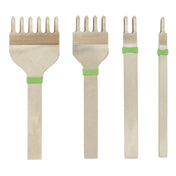
A single dye station keeps things tidy (and prevents accidents!) while showing students that dyeing doesn’t have to be messy or intimidating. The same goes for specialized tools like oblong punches or English round punches—they’re expensive, and it’s much easier to manage if everyone takes turns at one well-organized table.
Step 6: Decide What to Charge for Your Classes
This one really depends on who you’re teaching. For instance, I usually hold classes for scout troops, veterans, youth programs, or community groups for free. These groups are always eager for new experiences and learning opportunities, and it’s a small way for me to give back to my community.
But if you’re teaching adults who want to learn leathercraft as a hobby or skill, it’s completely fine to charge a reasonable fee—especially if you’re providing all the tools, materials, and instruction. People understand the value of your time and experience.
If you’re new to teaching, start free or low-cost until you’re comfortable with the process. Once you’ve found your rhythm, go ahead and charge for your time—you’ve earned it.
Step 7: Encourage and Empower Your Students

A few words of encouragement go a long way. Even if a beginner project looks a little rough around the edges, find something positive to highlight—maybe their color choice, stitching, or creativity.
And here’s a simple but powerful tip: don’t do their work for them. Guide them, of course, but let them complete every step themselves. At the end of class, point out that they made their entire project on their own—no one else’s hands touched it. That realization gives them a real sense of pride and accomplishment.
Teaching leathercraft isn’t just about tools and techniques — it’s about sharing joy. When you’re organized, patient, and encouraging, you create an environment where students can learn, succeed, and fall in love with the craft.
Each class you teach will make you a better instructor and give you new ideas for next time. So go out there, spread that leathercraft joy, and enjoy every moment of helping someone create something with their own two hands. Good luck with your classes!