Choosing Leather Straps for Bags: Lessons from the Bench

If you’ve ever made a leather bag (or dreamed of making one), you already know how much care goes into picking the right materials. Let’s take a moment to dive into something that doesn’t always get the attention it deserves: the strap.
If you’ve been making bags for a while, you’ve probably discovered that choosing the right leather strap can make or break your project. Not just how it looks, but how it wears, holds weight, and feels on the shoulder. Whether you're making a tote, crossbody, briefcase, or purse, the strap plays a bigger role than most people realize.
So, let’s break down what to consider when choosing leather straps for bags—based on the experience and tips trusted by makers on our team.
Start with Function, Then Think About Looks

The first step in choosing a leather strap is thinking about how the bag will be used.
- Is it a workhorse tote meant to carry books, tech, or heavy gear?
- Is it a lightweight crossbody for everyday errands?
- Is it more of a fashion-forward accessory?
The intended use, along with the weight the bag will need to carry, should guide your decision. Heavier loads call for heavier leather. An 8/9 oz. strap is a solid choice for strength and structure, helping to prevent stretching, bending, or breaking over time. For lighter bags, a thinner strap can work just fine. A single layer of leather may even be enough in some cases.
Even on smaller bags, using a double-layered or lined strap can give extra support and add visual appeal. You can get creative by lining your strap in a contrasting color. This is an easy and fun way to elevate the overall design with minimal extra effort.
What Strap Width Is Best?

Once the right leather weight is selected, the next step is determining the ideal width. This comes down to comfort, proportions, and style.
Here are some general guidelines:
- 3/4" to 1" wide – Best for lightweight bags and small purses
- 1-¼" to 1-½" wide – Works well for everyday totes and briefcases
- 2" and wider – Great for heavy-duty or oversized bags that require more support
For most utility bags and briefcases, a 1-½" strap offers a good balance of comfort and strength. Tapering the ends, adding hardware, or integrating decorative stitching are all great ways to refine the final look and add personality.
Using Softer or Lightweight Leather? Here’s What to Do

Soft leathers like chrome tanned hides or lighter weights may look great, but they often need reinforcement to perform well as bag straps. Fortunately, there are a few go-to techniques to get the best of both worlds where form meets function:
- Double up the leather: Stitching two layers of the same leather creates a thicker strap without sacrificing the look.
- Line with a heavier strap: Pairing a soft top layer with a stronger base (like an 8/9 oz. veg tan leather) delivers durability while keeping the exterior consistent with the bag’s body.
- Experiment with finishes: Stitching face to flesh (grain side to suede) gives the strap a soft underside for grip, which helps prevent slipping when worn over the shoulder.
These options give makers flexibility when working with different leathers and help maintain the overall integrity of the bag.
No Need to Buy a Full Side

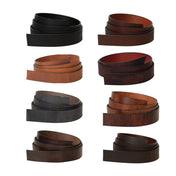
Many bag projects don’t require a full hide to make a quality strap. That’s where pre-cut leather straps come in handy. Available in a wide variety of widths, thicknesses, and leather types, these ready-to-use pieces are a smart choice for beginners and pros alike.
Weaver Leather Supply offers:
- Pre-cut straps in standard and custom widths
- Veg tanned for enduring performance
- Natural straps ready for dye or stamping
- Pre-finished straps with clean edges for fast projects
Using pre-cut straps can help save time, reduce waste, and provide consistency from one project to the next.
Finishing Touches That Make a Difference

Once the right leather, width, and weight have been chosen, a few extra details can take the strap from good to great:
- Add adjustable hardware like buckles or sliders for function and style
- Burnish or paint edges for a polished, professional finish
- Choose quality thread and stitching methods to ensure strength and visual appeal
- Incorporate decorative features like rivets, tapers, or stamped details
Think of straps as more than just a functional element. Think of them as a design opportunity. Taking time with these final steps adds value and personality to the finished piece.
Style Built for the Long Haul

Straps are more than just a means of carrying a bag. They're a key part of your bag project’s overall design and usability. The right strap should feel good, hold up under regular use, and enhance the overall style of the bag.
By focusing on the weight of the load, selecting the appropriate leather weight and width, and applying finishing techniques that suit the project, it’s possible to create a strap that performs as beautifully as it looks.
So next time you’re building a bag, give the strap a little extra love and don’t hesitate to try something new. That’s half the fun! You’ll thank yourself (and so will whoever’s carrying the bag).