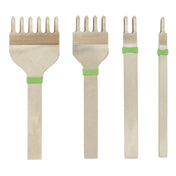
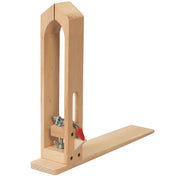
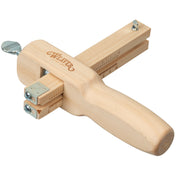
Tools and Materials Used in This Project
 Regular price $0.00Unit price




 Up to 34% off


 Up to 34% off


3/8" Antique Brass, Speed Lace, Steel
Regular price $0.70Unit price


 Regular priceFrom $22.50Unit price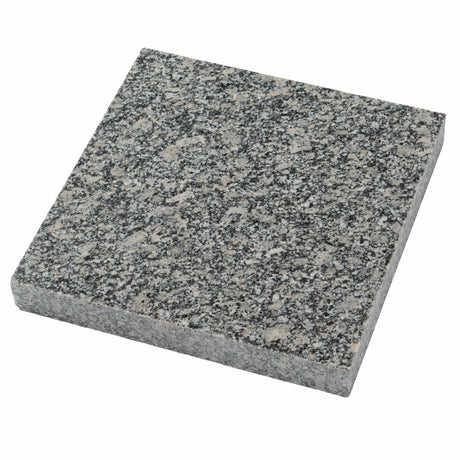
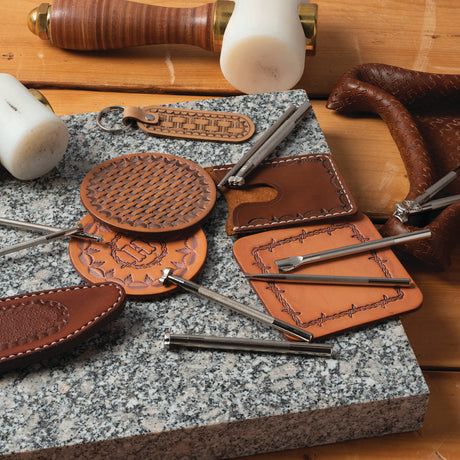


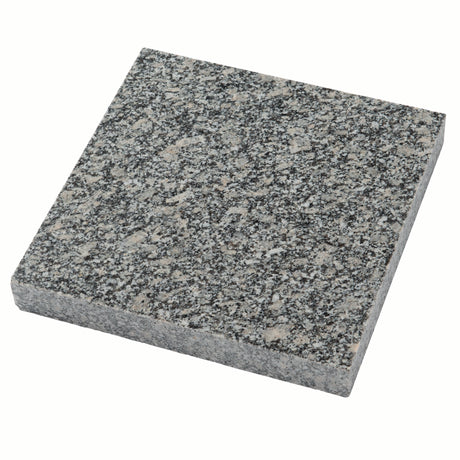


Granite Tooling Slab for Leather Tooling & Carving
Regular priceFrom $23.25Unit price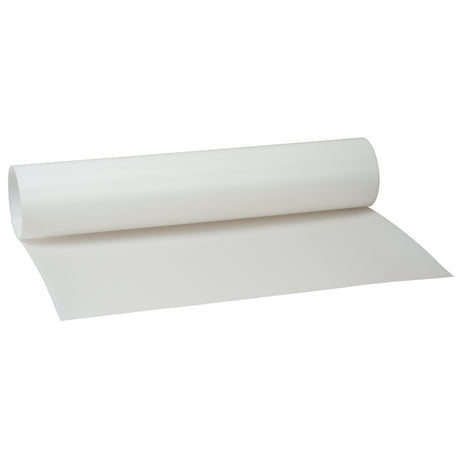
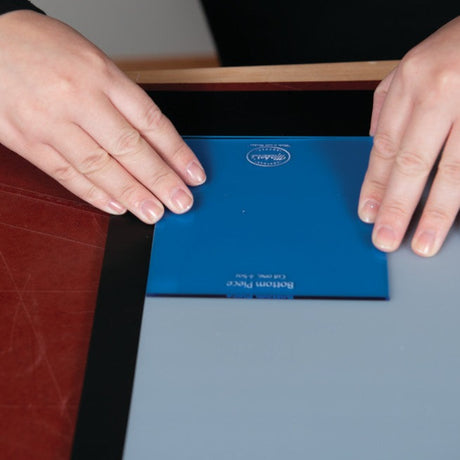


 Regular price $6.50Unit price



 Regular priceFrom $65.00Unit price


 Regular price $60.00Unit price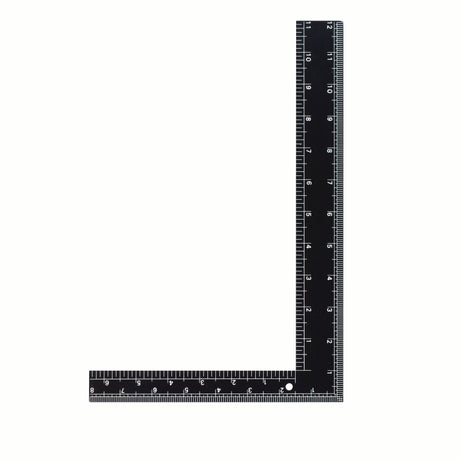
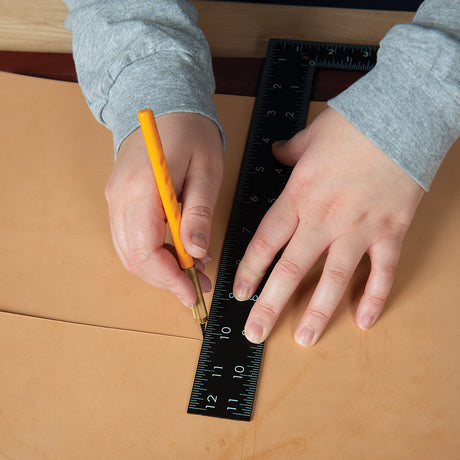


12" x 8" Steel Square with Non-Slip Tape
Regular price $17.00Unit price

 Regular priceFrom $85.00Unit price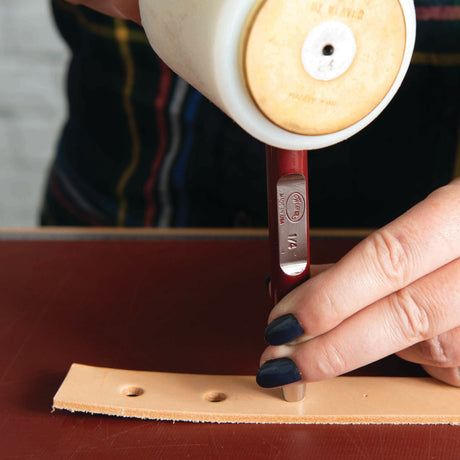


 Regular priceFrom $52.00Unit price


 Regular price $460.00Unit price
 Regular price $19.20Unit price
 15% OFF PROMO CODE : FLASHSALERegular price $13.50 Sold per 5 packUnit price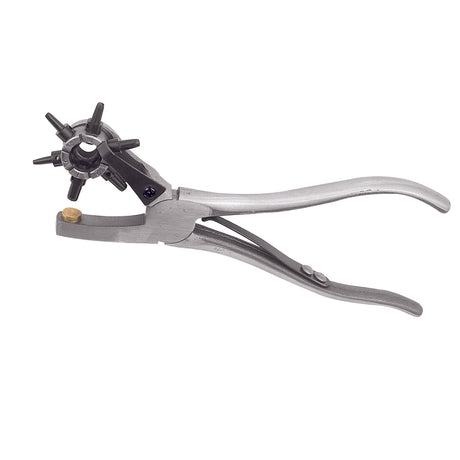
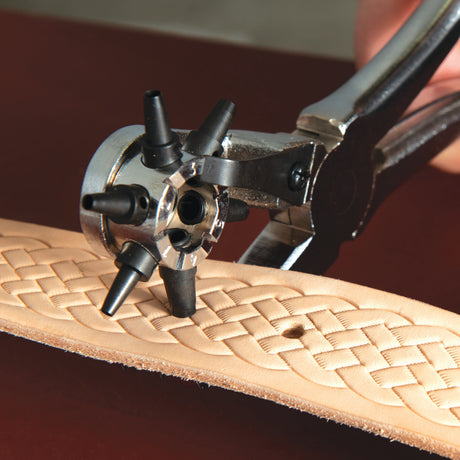
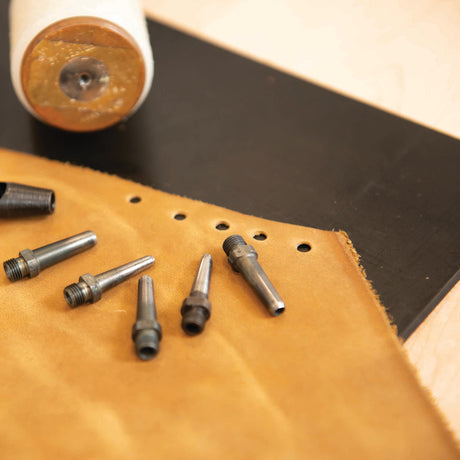
Heavy Duty Revolving Head Punch
Regular price $65.49Unit price
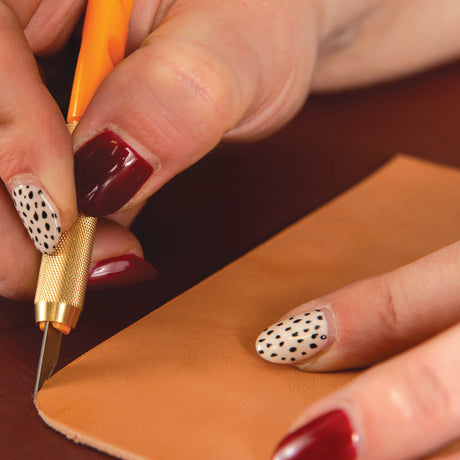
 Regular price $14.00Unit price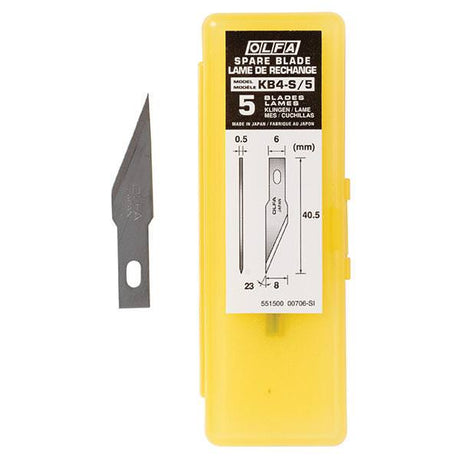
 Regular price $7.25 Sold by 5 packUnit price