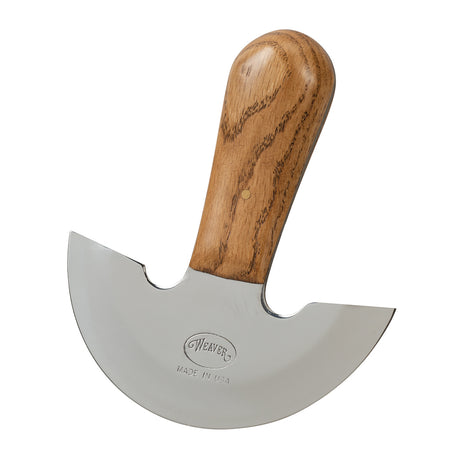
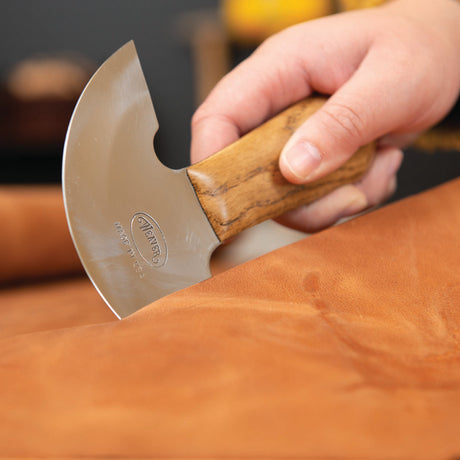


Master Tool Leather Round Knife, 4-7/8"
Regular price $125.00Unit price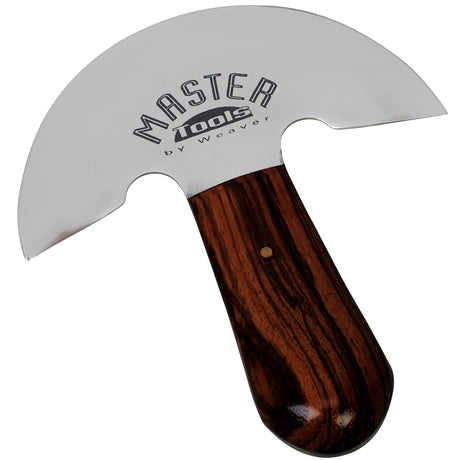
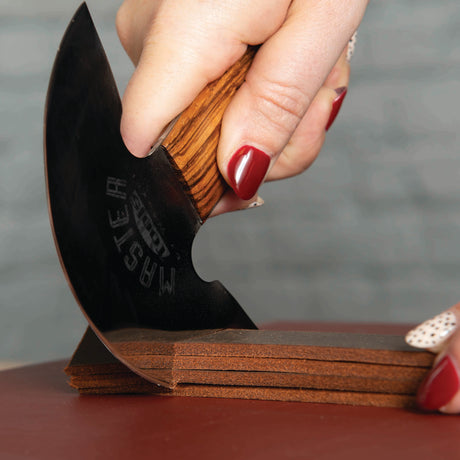


Master Tool Deluxe Round Knife, 4-7/8"
Regular price $280.00Unit price



 Regular priceFrom $65.00Unit price


 Regular priceFrom $37.75Unit price


 Regular price $19.00Unit price


 Regular price $100.00Unit price


 Regular price $15.25Unit price


 Regular price $105.00Unit price
 Regular price $100.00Unit price

 Regular price $24.00Unit price


 Regular price $37.25Unit price


Olfa® Cushion Grip Knife with Blades
Regular price $27.50Unit price

Sharp Point Knife 5/8" x 3-5/8"
Regular price $16.70Unit price
 15% OFF PROMO CODE : FLASHSALERegular price $41.50Unit price


 Regular price $27.50Unit price


 Regular price $9.25Unit price
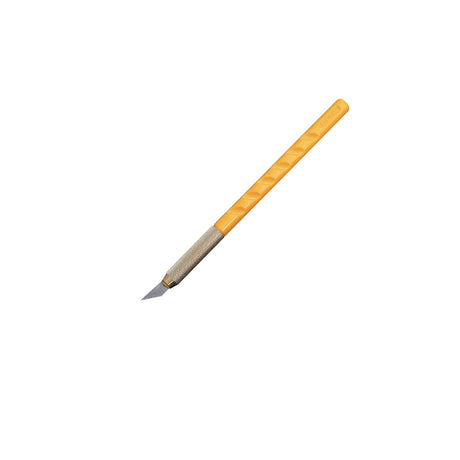
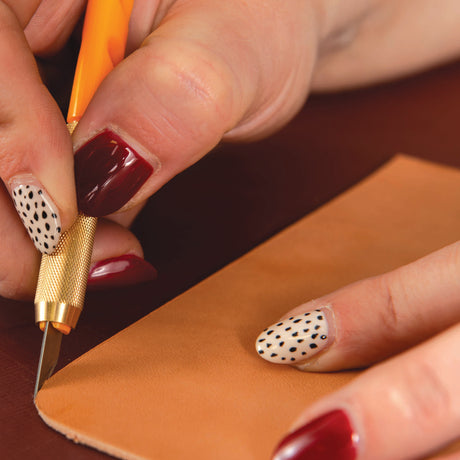
 Regular price $14.00Unit price


 Regular price $3.55Unit price


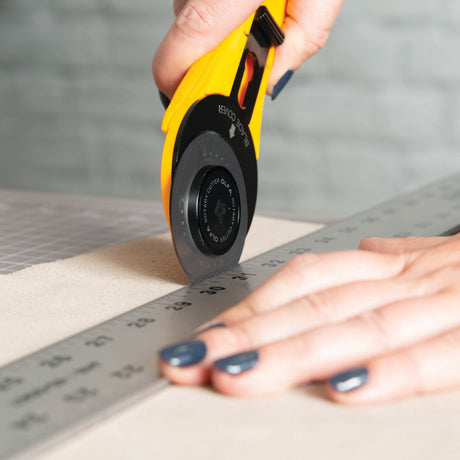

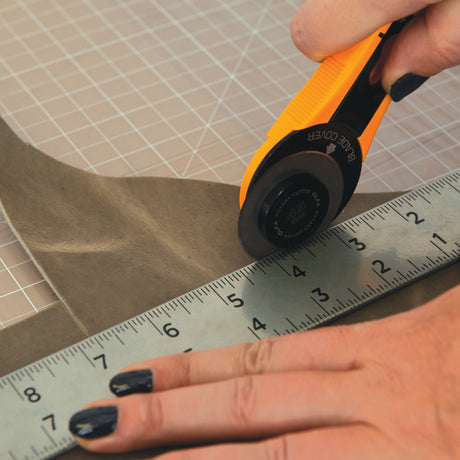
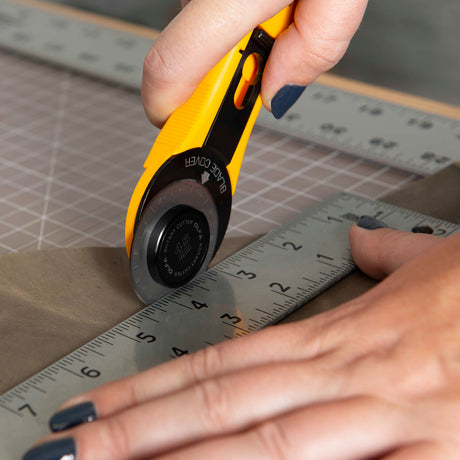

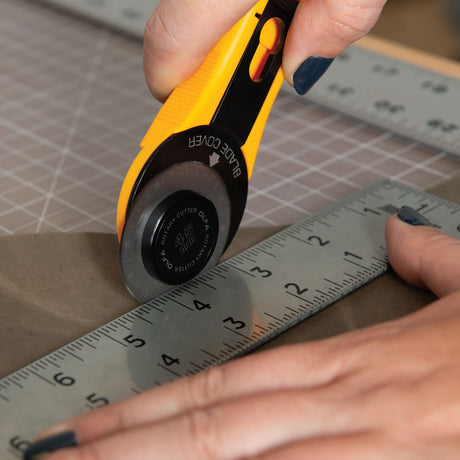 Regular priceFrom $32.25Unit price

 Regular price $19.80Unit price


 Regular priceFrom $88.00Unit price
 25% off
Weaver Leather Supply Round Knife Sticker
Sale price $0.75 Regular price $1.00Unit price


 Regular price $89.10Unit price

3", C.S Osborne Leather and Shoe Knife
Regular price $17.70Unit price


Frequently Asked Questions
What's the difference between a round knife and a skiving knife?
What's the difference between a round knife and a skiving knife?
A round knife has a curved blade suited to cutting straight lines and curves through thicker leather in one controlled motion. A skiving knife has a flatter, angled blade designed to shave leather thinner, which is essential for folding, wallet corners and reducing bulk at seams. Choose a round knife for cutting out pattern pieces and a skiving knife for thinning edges before stitching.
Do I need a swivel knife if I'm not doing tooling or carving?
Do I need a swivel knife if I'm not doing tooling or carving?
A swivel knife is built specifically for cutting decorative lines in leather carving and stamping work, so it isn't necessary if your projects are strictly functional, like wallets or bags without tooled designs. If you plan to add any hand-carved detail down the line, a basic swivel knife is an affordable tool to have on hand. For pure cutting and assembly work, a utility or round knife covers the need instead.
What's the difference between a fixed-blade leather knife and a rotary or utility cutter?
What's the difference between a fixed-blade leather knife and a rotary or utility cutter?
Fixed-blade knives, like round or skiving knives, offer more control for curved cuts and detail work but need regular sharpening to stay effective. Rotary cutters and utility knives with replaceable blades cut long, straight lines quickly and always have a sharp edge since you swap blades instead of sharpening. Choose a fixed blade for shaping and detail, and a rotary or utility cutter for fast straight cuts on larger pieces.
How often do leather knives need sharpening, and is that a lot of upkeep?
How often do leather knives need sharpening, and is that a lot of upkeep?
Round and skiving knives need honing before nearly every use and a full sharpening every few projects, depending on how much leather you cut and the leather's thickness. This is more maintenance than a replaceable-blade utility knife, but a well-kept fixed blade gives a cleaner cut with less drag through the material. If you'd rather skip sharpening altogether, a utility knife or rotary cutter with swappable blades is the lower-maintenance choice.
What size knife is best for detailed work versus large pattern cutting?
What size knife is best for detailed work versus large pattern cutting?
Smaller blades, like a 3-inch shoe knife or a compact skiving knife, give more control for tight curves, corners and detail cuts. Larger round knives (around 4-5 inches) cover more ground per stroke, which speeds up cutting large, straight pattern pieces. If your projects mix both detail and bulk cutting, having one of each size covers most situations better than one knife alone.
Is a more expensive knife actually worth it for a beginner?
Is a more expensive knife actually worth it for a beginner?
Higher-priced knives, like the Master Tool Deluxe Round Knife, typically use better steel that holds an edge longer and needs less frequent sharpening. For an occasional hobbyist, a mid-range knife is usually enough, since the leather volume doesn't put as much wear on the blade. If you're cutting leather regularly or working with thicker hides, investing in a higher-quality blade pays off in less time spent resharpening.
What knife works best for cutting thick leather like belts or holsters?
What knife works best for cutting thick leather like belts or holsters?
A round knife with a substantial blade handles thick veg-tan leather (8 oz. and up) better than lighter utility or craft knives, since the curved edge lets you rock through the cut rather than push straight down. Utility knives can struggle and require more passes on thick material, increasing the risk of an uneven edge. For consistent, clean cuts on heavier leather, a round knife is the more reliable choice.
Can one all-purpose knife handle cutting, skiving, and trimming thread?
Can one all-purpose knife handle cutting, skiving, and trimming thread?
A single knife can technically handle multiple tasks, but each is done better by a purpose-built tool: a round knife for cutting, a skiving knife for thinning, and small scissors or a thread clipper for trimming stitches. Using one knife for everything increases the chance of a rough result on any task it wasn't designed for. If budget is a concern, start with a round knife for general cutting and add specialty tools as specific project needs come up.