

Frequently Asked Questions
What are leather stamps used for?
What are leather stamps used for?
Leather stamps are used to create patterns, textures, letters, and decorative impressions on leather surfaces. They are commonly used in tooling and carving projects such as belts, wallets, saddlery, and custom accessories. Different stamp styles create different visual effects.
What tools are needed for leather stamping?
What tools are needed for leather stamping?
Basic leather stamping typically requires stamps, a mallet or maul, and damp vegetable-tanned leather. Many leatherworkers also use swivel knives and carving tools for more detailed designs. Proper tools help create cleaner and more consistent impressions.
Can beginners use leather stamping tools?
Can beginners use leather stamping tools?
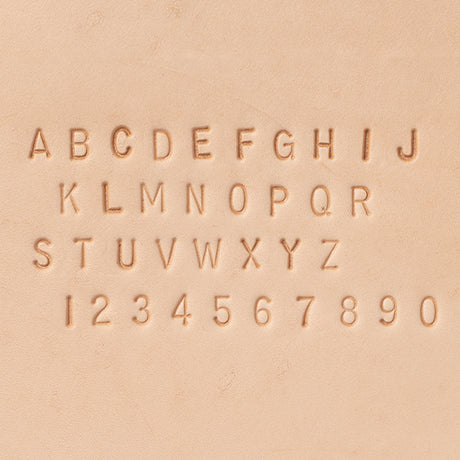
Yes, many leather stamping tools are beginner-friendly and designed for learning basic leathercraft techniques. Starter sets often include alphabet and number stamps, as well as common tooling designs. Practicing on scrap leather can help improve stamping consistency.
What type of leather is best for stamping?
What type of leather is best for stamping?
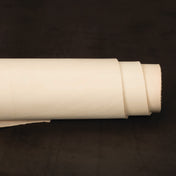
Vegetable-tanned leather is commonly preferred for stamping because it accepts impressions clearly when properly dampened. Chrome-tanned leather generally does not tool or stamp as cleanly. Proper moisture levels help improve stamping results.
How do you get clean impressions when stamping leather?
How do you get clean impressions when stamping leather?
Clean impressions usually require dampened leather, proper tool positioning, and consistent striking force. Using a stable work surface also helps improve stamping quality. Practicing pressure and spacing can help create more professional-looking designs.
What is the difference between leather carving and stamping?
What is the difference between leather carving and stamping?
Leather carving involves cutting designs into leather using tools such as swivel knives, while stamping presses patterns and textures into the leather surface. Many leatherworkers combine both techniques in decorative projects.